Home Science

Department of Home Science

Established in the year 1977.

Home Science is an interdisciplinary field that focuses on the science and art of managing resources efficiently to improve the quality of life. It integrates principles from science, humanities, and commerce to develop skills in areas such as nutrition, textiles, human development, resource management, and interior design.

The subject is not limited to home management but extends to professional fields like teaching, dietetics, fashion designing, social work, entrepreneurship, and mass communication. Home Science education equips individuals with practical knowledge and life skills that contribute to both personal well-being and societal development.

Highlights of the Department

  • Excellent performance in board/university exams with high pass percentage.
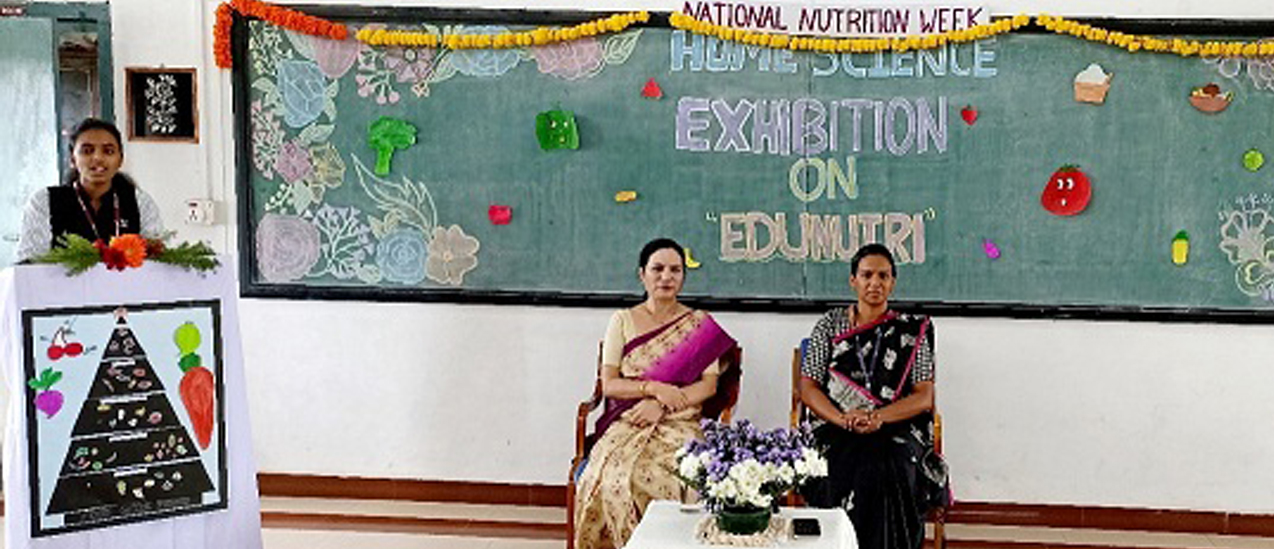
  • Conducted workshops on nutrition, diet planning, and food preservation.
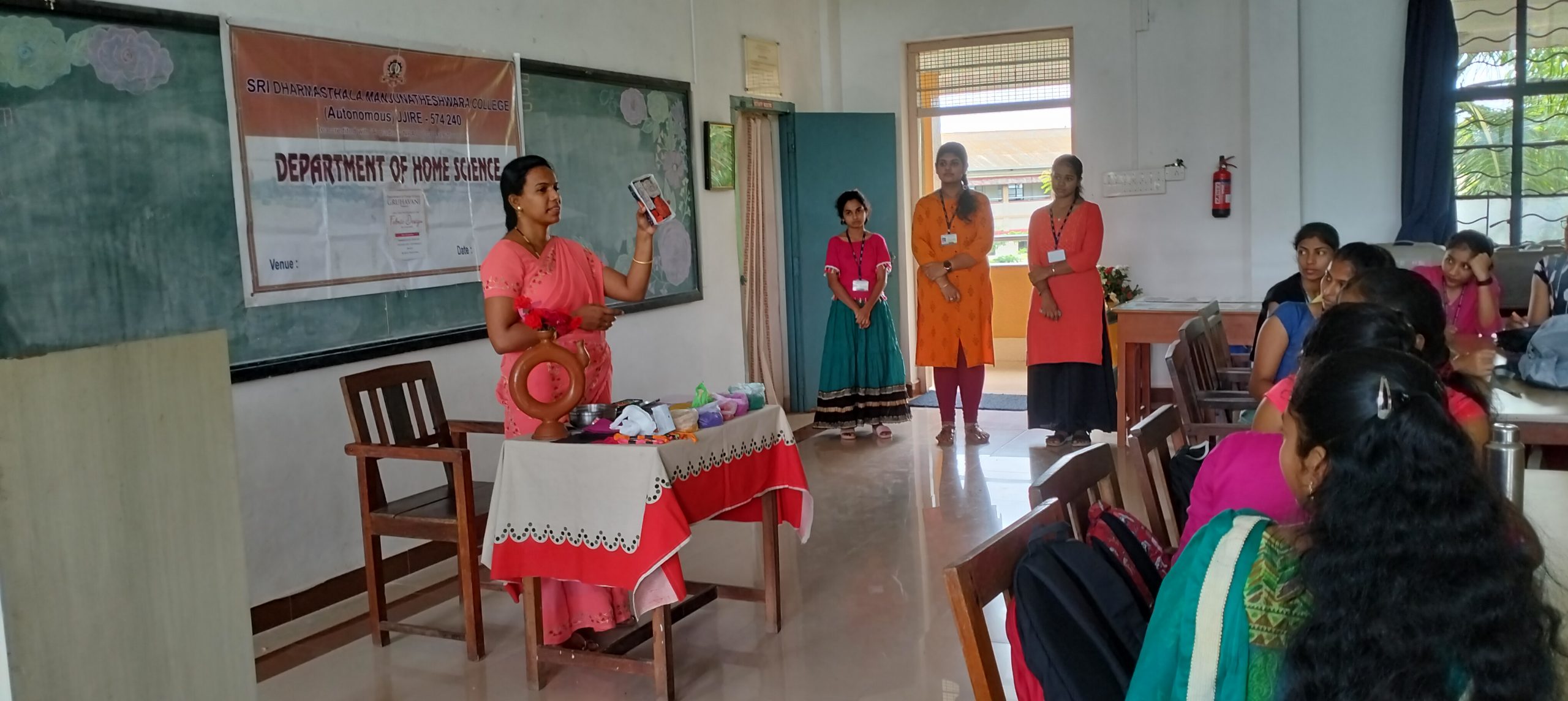
  • Hands-on training sessions on textile designing, stitching, and embroidery.
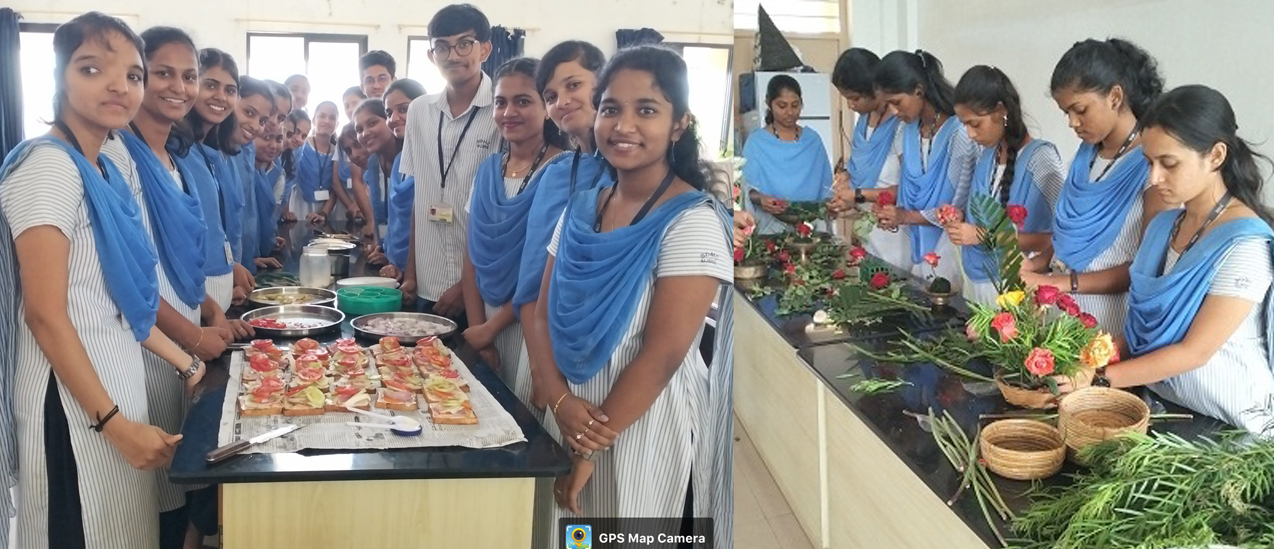
  • Training on baking, culinary arts, and traditional food preparation.
  • Innovative projects on sustainable living, eco-friendly products, and waste management.
  • Research on food adulteration, nutrition deficiency, and consumer awareness.
  • Awareness programs on health, hygiene, and nutrition at community level.
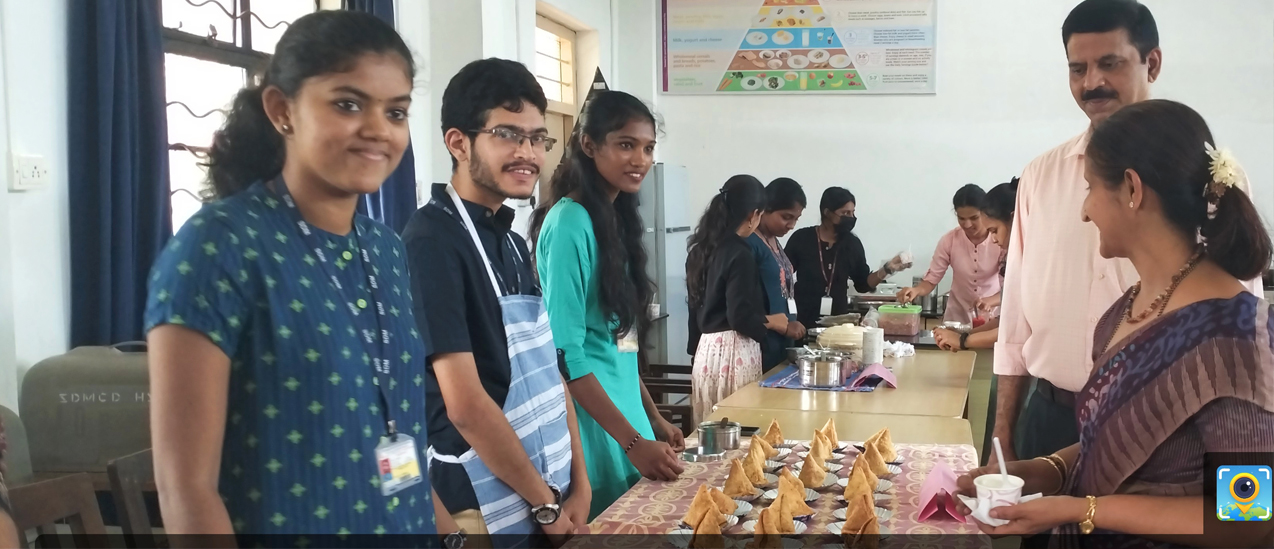
  • Organizing food fest and community meals programs.
  • Skill development initiatives for self-employment (e.g., tailoring, baking, and craft-making).
  •  Promoting sustainable fabrics and natural dyes in textile studies.
  •  Incorporation of technology in home management.

Career Preparation and Opportunities

Home Science education prepares students for the most fundamental vocation including:

  • Teaching & Research – Academics, scientific studies, and curriculum development.
  • Nursing & Dietetics – Healthcare, clinical nutrition, and wellness industries.
  • Welfare & Social Work – Community service, NGOs, and counseling.
  • Management & Entrepreneurship – Hospitality, resource management, and business ventures.
  • Art & Design – Interior decoration, textile designing, and fashion.
  • Extension Work – Public awareness and community outreach.

Open Elective Papers

Semester

Electives

I

Food Preservation

II

Teaching Materials For Early Childhood Education

III

Extension Education and Communication

IV

Fashion Designing

Did You Know ?

"Home Science provides a wonderful opportunity for self-employment."

Association & Activities

The department operates an association called “GRUHAVANI,” under which student-supportive activities are organized, including the following:

  • Class Seminars
  • PPT Presentations
  • Group Discussions
  • Value Education
  • Current Issue Discussions
  • Guest Lectures
  • Class Quizzes
  • Radio Talks
  • Wall Magazines
  • Student Research Projects
  • Extension Activities
  • Student-Faculty Preparation
  • Field Visits
  • Remedial Courses
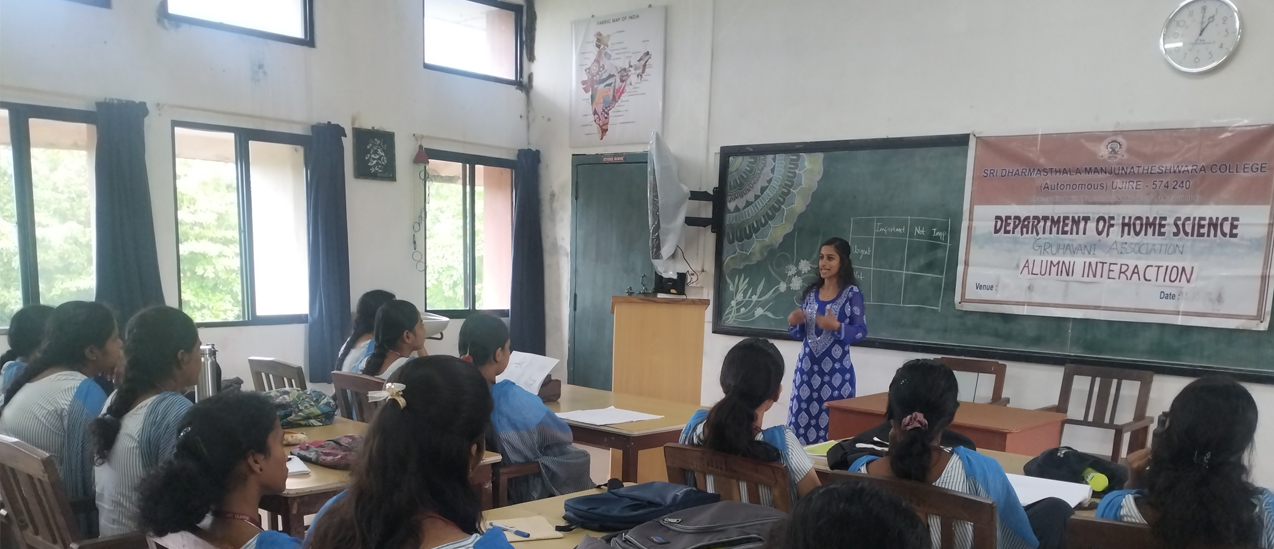
  • Student-Alumni Interactions
  • Lab-in-Cab Sessions

Best Practices of the department

  • Integration of modern technology in food science and textiles.
  • Encouraging entrepreneurship and self-reliance through skill-based learning.
  • Real-life exposure through internships and fieldwork in industries like fashion, nutrition, and childcare.
  • Inviting experts from various fields of Home Science to share their knowledge and experience with students.
  • Conducting sessions on healthy eating, fitness, and mental well-being, catering to both students and the surrounding community.
  • Providing training in soft skills such as communication, leadership, and conflict resolution, which are vital for home management and community service.

Community Orientation

  • Nutrition Awareness Program: Organized at school level and Self-Help Group (SHG) centers, this program aims to educate the community on the importance of balanced diets, proper nutrition during pregnancy and childhood, and effective ways to combat malnutrition.
  • Health and Hygiene Workshops: Conducted in different schools, these workshops focus on promoting personal hygiene, sanitation, menstrual health, and preventive health measures, providing valuable information for individuals and families.
  • Sustainable Living Programs: Conducted for women in (SHG’s) these programs emphasize sustainable home practices, including waste management, recycling, water conservation, and eco-friendly cooking techniques, fostering an environmentally conscious community.
  • Parenting and Child Development Programs: Organized at Anganwadi Kendras for children parents these programs provide parents with valuable information and effective strategies on child growth, parenting techniques, and early childhood education, supporting them in fostering a nurturing and developmental environment for their children.
  • Cooking and Culinary Skills Classes: Organized for college students, these classes focus on teaching essential cooking techniques, emphasizing the preparation of nutritious, affordable meals, and fostering culinary skills for personal and professional growth.
  • Family Welfare and Counseling Services: Organized for Government College students, these services provide guidance and support on various aspects of family dynamics, mental health, and relationship management, helping students navigate personal challenges and enhance their well-being.
  • Senior Citizens’ Support Programs: Conducted at old-age homes, these programs focus on providing resources and training for elderly care, promoting geriatric health, and offering emotional and social support to enhance the quality of life for senior citizens.
  • Community Gardens and Organic Farming: A workshop organized at “VIMUKTH” center for rural women, focusing on sustainable farming practices, the benefits of organic gardening, and empowering women to cultivate their own food, promoting health, self-sufficiency, and environmental sustainability.
  • Skill Development Programs for SHG Women: These programs aim to empower women in Self-Help Groups (SHGs) by giving training in various skills such as tailoring, embroidery making, soft toys making, craft, glass painting and baking.

Research outputs

  • The Department is actively involved in theme-based research activities, focusing on key thrust areas of research are:
  • Nutrition and Dietetics: Research in this area focuses on the study of balanced diets, nutritional deficiencies, food security, and the impact of nutrition on various life stages (pregnancy, childhood, adolescence, and elderly).
  • Human Development and Family Studies: Exploring topics related to child development, adolescent behavior, family dynamics, parenting techniques, and the psychological well-being of individuals within the family context.
  • Textiles and Clothing: Research on fabric design, textile technology, sustainable fashion, and the socio-economic implications of clothing in different cultures and communities.
  • Health and Wellness: Investigating health issues, hygiene, preventive healthcare, mental health, fitness, and wellness practices within households and communities.
  • Home Management and Resource Management: Studying efficient management of home resources like time, finances, and energy. This includes topics like household budgeting, energy conservation, and waste management.
  • Child and Family Welfare: Researching strategies for improving the well-being of children and families, including interventions for better living standards, family counseling, and addressing social issues like domestic violence.
  • Sustainable Living and Eco-friendly Practices: Investigating sustainable practices in home management, including waste management, recycling, water conservation, and energy-efficient living.
  • Community Nutrition and Health Promotion: Research focused on improving public health through community-level nutrition education, promoting healthy eating, and addressing public health challenges like malnutrition or chronic diseases.
  • Gerontology and Elder Care: Exploring the care, needs, and well-being of elderly individuals, as well as how families and communities can support aging populations.
  • Food Science and Technology: Studying the technological aspects of food production, food preservation methods, food safety, and innovations in food processing and packaging.
  • Entrepreneurship in Home Science: Research on creating business opportunities in areas like catering, textile production, home-based enterprises, and small-scale industries related to Home Science fields.
  • Gender Studies and Empowerment: Investigating the role of women in society, gender equality in the home and workplace, and empowerment through education and skill development.

Scheme & Syllabus

Faculty

List of Board of Studies Members

Department Gallery